Sometimes you want sweet and settled. You want cozy cottages and wood smoke drifting lazily out of chimneys. Fog in the hedgerows and field mice scampering through the meadow.
But you don’t live in a fairytale and you don’t like (no really don’t like) mice. So, you shift your vision a bit. To here, where we are. After all, we need softness here now more than ever.
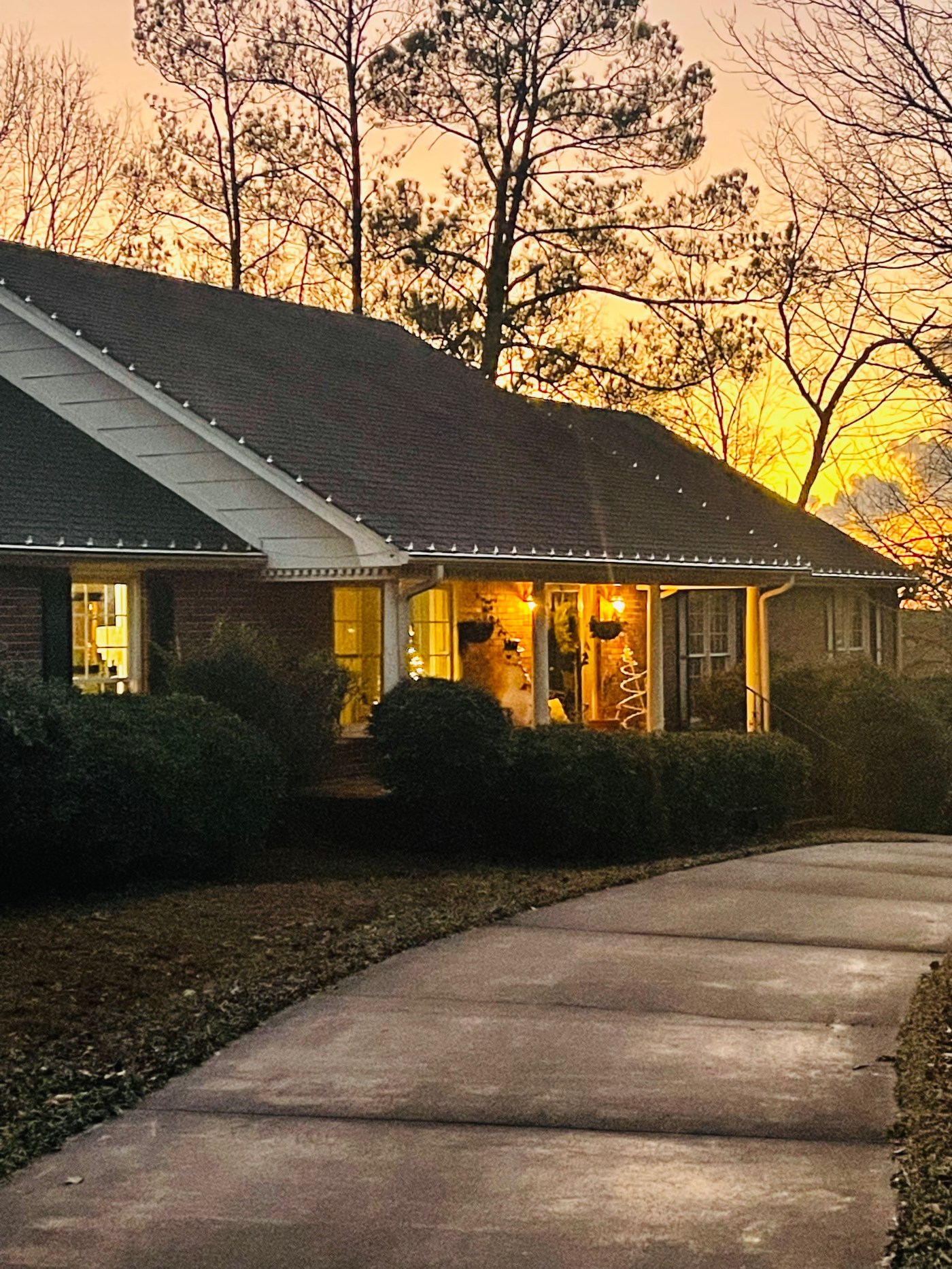
Your sweet and settled spot can be anywhere you are. Mine is a brick ranch home settled in a wooded lot. There’s a fire in the fireplace and a fog drifting through the half-acre wood. Squirrels scamper through lichened pines.
There’s comfort to be found here. And shelter from life’s storms. There’s a wreath on the door, lights on the porch, and cars soon parked in the half-circle drive.
Here, mornings are damp in November – the air newly cool, the earth still warm and exhaling mist. Groundhogs brewing coffee, so they say.
Now, fill each room with your favorite things: blankets and pillows, trinkets and treasures, plush, scattered rugs, pile after pile of well-loved books. (But only if that’s your thing. It’s most definitely mine.)
But most important of all, bring in your favorite people: family and friends, loved ones, neighbors. Pile on the comfort. Slather the joy. Love them, most tender and true. You wish you could do the same for the rest in this worrisome world. (I get it. Me, too.)
Because outside, leaves tumble and turn. Outside, spiders build nests for the winter. Outside the light gets dimmer and the air gets cold.
But inside there’s cozy. There’s comfort. There’s joy.
It’s not inside the house, though. (I mean it is. You’ve taken such trouble to pile on the posh pillows, after all.)
But the true cozy cottage you’ve built is your heart. Peep those lights in the window, there? The fire in the hearth? That’s all inside you. Along with sweets baking, gratitude singing, memories building.
Inside you, live the ones you love most in this world. So nurture them – and your own sweet, tender self too – so very well in these trying times.
Let thanksgiving stretch, slide soft into her warm, fuzzy slippers, and put the kettle on to boil. For in you, abides comfort and cozy. And joy.
But you can’t ward off what you were born to. May, August, September. Blossom, heat, and fruited trees, despite our father and his fundamental faith and expectations. We took to our seasons like Eve to the apple, even our hair played its role: honey crisp, wine sap, and golden delicious. Sprinkled tufts of owl feathers from the minute we flew from our mother’s warm nest into this cold world, eager to start a fire. Maybe we were what initiated his intrigue with chaos theory. He searched for balance and order forever after.
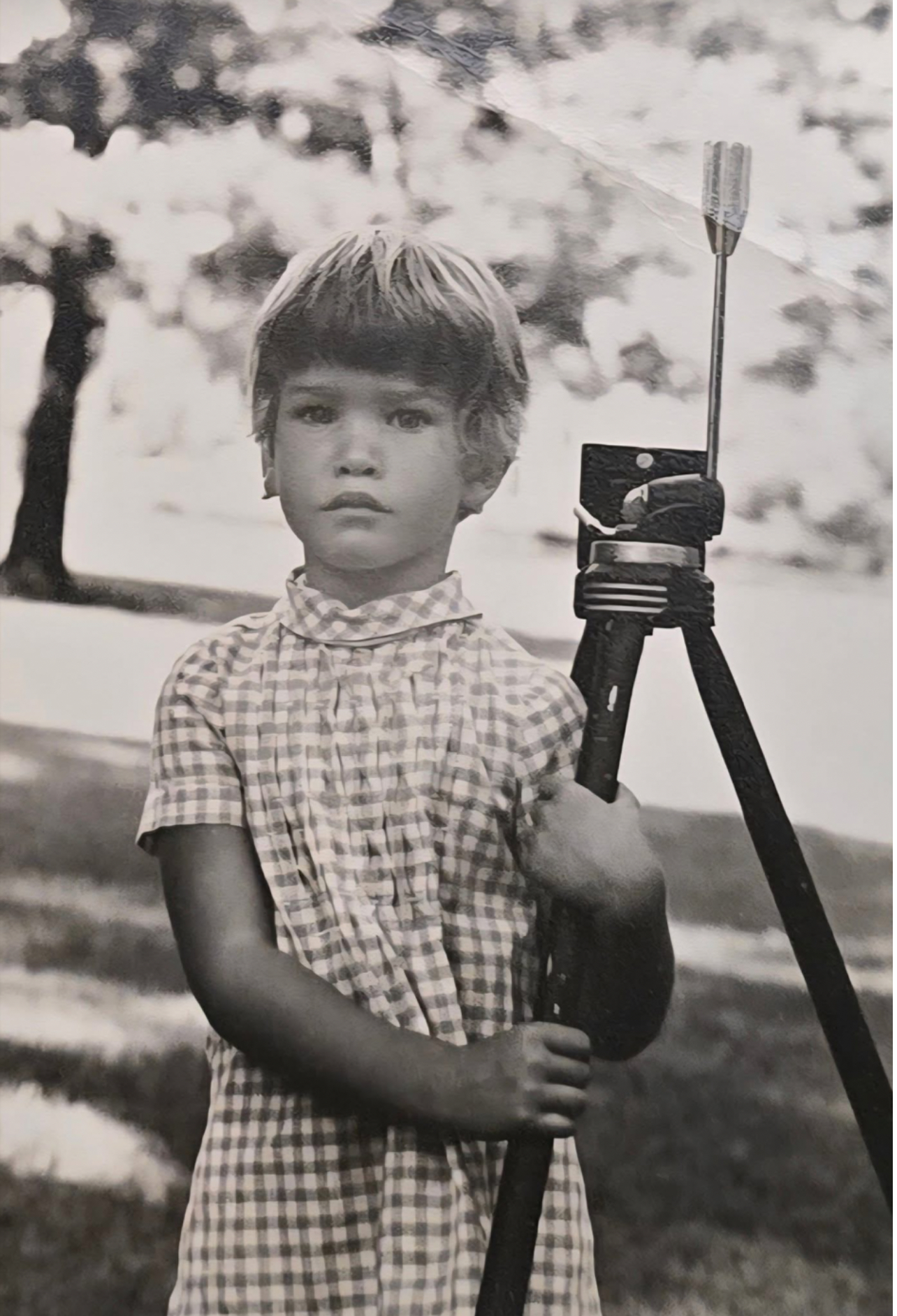
I’m the firstborn. Heather Leigh, a name my mother came up with after watching Brigadoon. Officially, a flowering shrub that grows wild on the rough Scottish heath, so maybe that’s why I’ve always bucked subjugation. In the summer, my hair and skin turned the hue of the hickory switches I got whipped with, thanks to what Dad called my dark countenance. Surly, he’d call me, but I disagree. While I do tend to slip toward solitude and silence, I’m a far cry from surly – I just don’t want to be controlled. I have waged an eternal war against being reined in. Rest assured, I’ll always fight against a bit. Take, for instance, back when I was labeled a Jezebel. When I snuck out. Shut down. Found myself shipped away before the hounds of the hell we were living with could devour me. I have to thank my father for that. And thank God, before he died, we’d mended our frayed connection. Though he never gave up preaching to me.
My second little sister is named Leslie Joyce. Her hair’s now the color of caramel cake, but back then, it was the curled black of burnt candlewicks – closest to his color. And if Dad was partial to any of us girls, it was Leslie. She’s still the closest one of us to taking up his holy mantel. The only one who still attends church. Her husband, her second – she and I are both on our second marriage – even teaches Sunday School to senior citizens. Daddy definitely approved. And honestly, I approve too. I’m happy for her. Happy she wasn’t scarred so severely that a house of worship raises her hackles and sends her scurrying away from the ghosts that still float in my mind, eager to froth up some mayhem.
It’s sad, really, how traumatized I am by the faith of my father. How the kindest, the most pure-intentioned texts about bible studies and organized prayers before football games can send me into a tailspin. I hesitate to compare it to a rape victim flinching at a tender, well-meaning touch… how a hug could trigger flashbacks of being encircled, overpowered, trapped, and out of control. How something so innocent can thrust a survivor back into the nightmare of her violent past….
But that’s the scenario that feels closest to how triggered I can become. John Donne prophesied my past before it was ever present when he wrote his Holy Sonnet and the lines, Batter my Heart, Three-Person’d God. That was the existence I led in my formative years. Back when my father and those elders did their best to o’ertrhow me and bend [their] force to break, blow, burn, and make me new — when I was already so brand-spanking-new and oh-so-incredibly vulnerable. And they did it. They battered and burned me, and while they didn’t break me, it stuck. It was imprinted, all the violence and force and fear. All that fury. So, maybe they really did break me after all.
And while I know that how I interpret Donne’s lines is not what he meant at all — and while I know how the Fellowship treated me and others was not what God’s words mean, not what God means, what Jesus means, what scripture means — that’s still what was done to me. And it’s still the baggage they left behind with me.
Likewise, I know it’s not what my friends, my fellow football wives, my fellow football parents mean, but violence in the name of God was what was done to me, and so when any sort of organized faith comes too close to me, it sends me crashing back into that place. Still. So, please know that about me, dear friends. And know that I mean no disrespect. No ill-intent. No judgement. It’s just trauma.
Lucky for Leslie, it does not do that to her. And I’m happy for her.
My other sister, she doesn’t attend church either. Her name is Emily Jo – or JoJo, as we call her. She was younger when I was shipped off. I was sixteen, making her twelve, so a lot of what was happening went over her head. She just woke up one morning and I was gone. That’s probably why she does her best to be the life of the party, the center of attention – so she won’t wake up dispatched and forgotten one morning. So, while she woke up with one less sister one Saturday, Leslie rode with Dad and me over the Mississippi River and through the Appalachian woods– to Grandmother’s house we’d gone. They left the next day in my Dad’s blue Isuzu Gemini, Leslie traumatized about leaving me, but not about what sent me there. The wrath of God and Daddy never came down on her head. She’d seen first-hand what it could do. Therefore, she remained obedient and does ‘til this day, staying in Our Father’s sights every single Sunday.
But honestly, banishment with a flaming sword brought me to where I am today. Honestly, it’s a pretty good place out here east of Eden. I have a beautiful life, with four beautiful children, and the man I was meant to find. The man who complements, not completes me. Have there been hiccups and hang ups along the way? Absolutely. But I have learned that I am enough. I have always been enough. I am ample and, as Whitman declared, I contain multitudes. And what’s more, I am able to be multitudes and I am able to speak my multitudes. Fully. To be me and to speak my mind. Until you’ve been denied those things, you never know how verily important they are. Yes, I said verily. Because this, which I speak to you, is my truth. And the truth will set you free.
We celebrated the seniors last night, and now summer is here. It’s time to recover. And boy, do I need to recover. It feels like there’s sludge in my shins and sawdust in my stem cells. I ache from overuse.
But the grass is newly green, the sky’s a sun-drenched blue, and the summer stretches out like a deck chair reserved just for me. It’s time to slow down. Time to feel the sun on skin, the clover beneath toes, and a heartful and houseful of family and friends.
I can take long walks and even longer naps. I can taste homegrown tomatoes and sip store-bought wine. I can float in the pool and lounge on the porch. I can read in a swing and write on the patio. I can bake with the boys and hold hands with my husband. I can host barbecue and pajama parties.
I can rejuvenate my mind, so I can prepare for my final year of teaching. I’ve got just one more year..
I was trying to calculate how many students I’ve taught throughout this journey. How many “babies” I’ve mothered in all that time. And from my calculations – and math is not my strong suit, so it’s probably an underestimate — I’m thinking it’s been close to 4,500. Forty-five hundred angst-riddled, hormone-fueled, drama-driven teenagers. Multiply that times the myriad of emotions and behaviors that fuel a classroom on any given day, along with hours of lectures and lessons and the number of assignments to grade and you understand why summer recovery is a very real necessity.
Teaching is exhausting. It’s challenging. It’s overwhelming. It is.
But it’s also feeling exhausted and challenged and overwhelmed and unbelievably proud with a heart bursting with love and gratitude for all your kids and their accomplishments when they cross that stage in late May to a cacophony of tears and air horns and applause.
If you do it right, it’s worth every ounce of energy. If you do it right, it’s your calling.
The house, cozy at dawn, and me in my bathrobe and soft Santa socks, Christmas lights glowing, playlist carols going… sipping my coffee and sorting my thoughts,
How lucky am I, I think — no, I know. How blessed to be snuggled beneath a warm velvet throw in the crook of a sectional with my laptop and nowhere to go while watching the sky shift to silver at dawn.
How simple, how sumptuous — an extravagance, bar none –that not everyone has. To have a sanguine soul in a world that exsanguinates souls. My gratitude is great. My cup overflows.
My sons are nestled all snug in their beds and my girls grown and glowing in orbits they threaded and hung on their own, weaving constellations that tell their tales, cast shimmering trails of goodness and grace.
While the boys, on the cusp of their own greatness, silver their way toward their own dawns, stars blooming bright on their baby cheeks and burgeoning lives, and the sky’s (no the universe) is their limit too, destinies unspooling just like their sisters’,, but entirely their own.
I celebrate all their stories, all their tangled strands of light unwound from my body, ever unwinding and widening, bright and brighter still, stringing their gifts like drops of Jupiter, like sun-wrangled, star-spangled miracle-bringers of goodwill and good trouble in this dark world.
There is no greater joy, no greater comfort for a mother’s heart than to see the babies she brought into this world out there in it, slaying and making spirits bright — hers most especially.
In the last few weeks, I’ve pilgrimaged back to my book. Sitting down and showing up, morning after morning. Forcing my fingers along the familiar keys, like beads on a rosary, like a prayer, making my meditations, tapping out my thoughts — meager though they are — and willing the deeper ones to surface. They’ve been buried since November. Buried with my father.
It’s slow going. My mind aches from the labor of it all. Still, I’m keeping at it. Which is progress in and of itself.
I wrote 300 pages in the six months of quarantine. It was the one clear blessing that came out of Covid for me.
But then, quick as a heart attack — all was lost. Mourning after mourning. I would stare at the screen. I would falter. I would fail. And I couldn’t really say I even cared.
I wanted to. To care. To fight for the writing. To wrestle with the words. But they’d withered all when my father died.
To be a writer, Stephen King says, you must do two things: read a lot and write a lot. And since my words died with my dad, I’ve really only done the first. I’ve read. I wouldn’t say voraciously because with twin boys and a teaching schedule and a coaching husband and the settling of the will and the buying and remodeling of a new house and the selling of the old one… well, voracious was not on the menu.
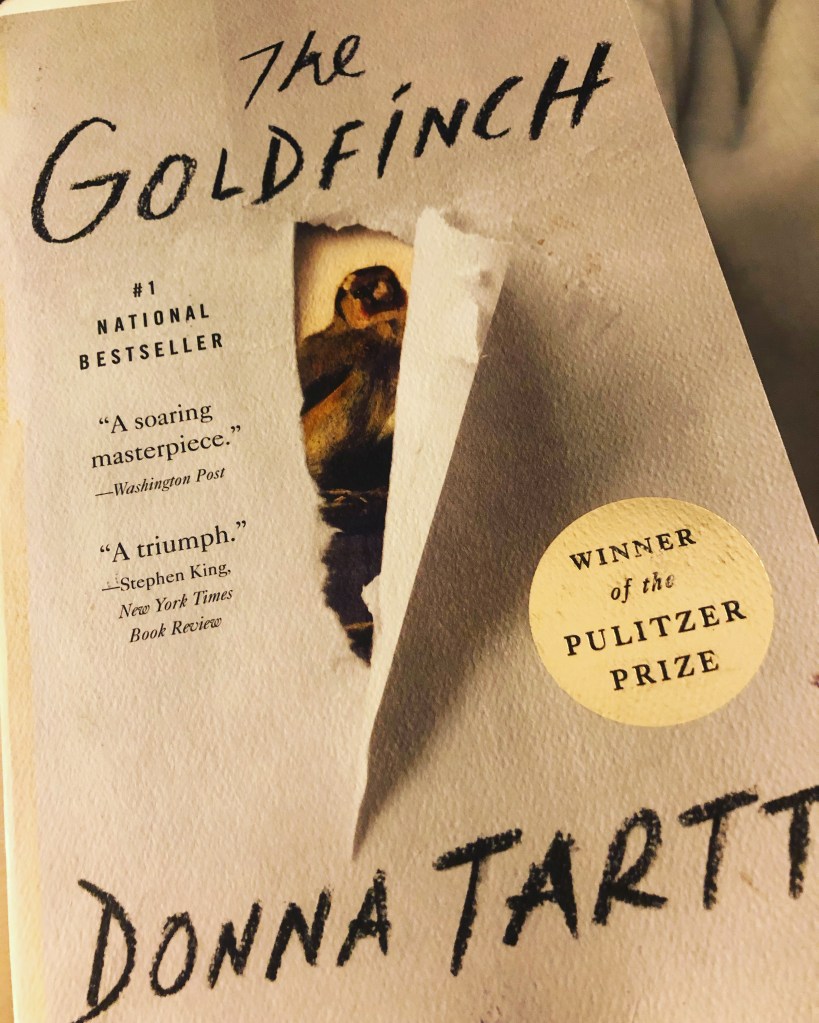
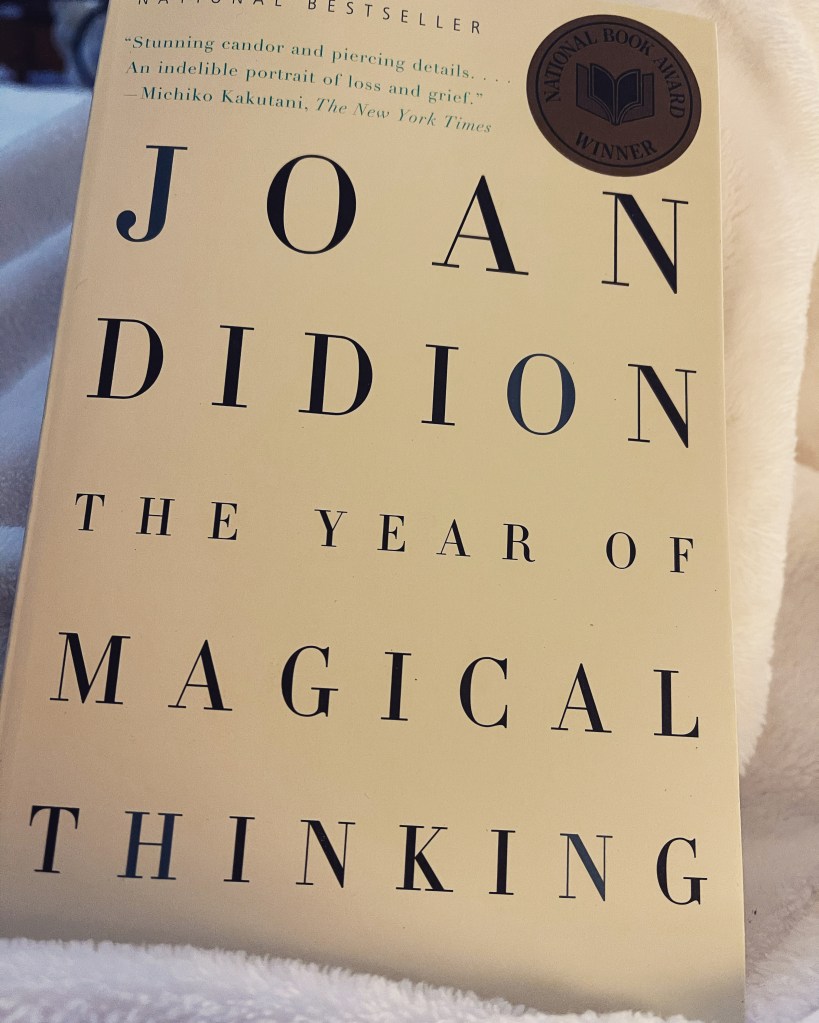
But I could read in small handfuls. Snack size sittings. So I picked the heartiest fair I could find, and I assembled a charcuterie board of books and nibbled at them whenever I found a smidgeon of a second. The Goldfinch. The Year of Magical Thinking. Priest Daddy.
And I grazed. And I gained sustenance. Slowly. Steadily. And in the last few weeks, I’ve found the strength to go to the altar again and search for a sliver… a finger or toe hold of the book that was buried six feet under six months ago.
And this week, the hard work began to produce. Words, gummed up and clay-clogged though they may be, have emerged. They are far from hardy. They are sluggish, sallow sorts, most decidedly disinterred, blinking and dazed in the hot summer sun. But they are words. And I am feeling hopeful again.
And so I am back at it again this morning. Back on my back porch till my battery fades, then into my library, backed by those who’ve come before, cheering me on from my shelves of inspiration. Among them, those who helped me find the strength to mine for the gold in a year where all the magic died and so did my preacher dad: The Goldfinch, The Year of Magical Thinking, Priest Daddy.
We closed on the last bit of property in my father’s estate today. In April, my husband, boys, and I took a little ride through the land of the pines from Cartersville, Georgia to North Caroline, from there to Virginia, then east from the Cumberland Gap to Johnson City Tennessee.
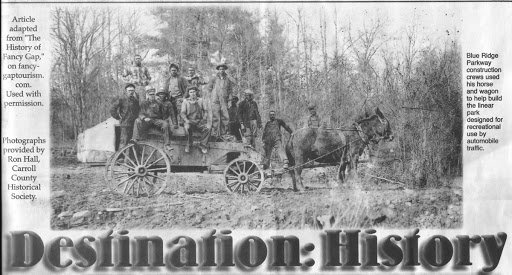
Along the way, we visited several gaps, including Big Stone Gap, Cumberland Gap, and our primary destination, Fancy Gap.
Virginia is chock full of ’em.
Since I knew what a “thigh gap” was, I found myself wondering if the mountainous ones were sort of the same.
Turns out, a geographical gap is the lowest point between two mountains, providing relatively easy passage for settlers; the other, the anorexia-driven absence of topography on the sexualized female body (and therefore, easier passage).
The two are synonymous. And both are societal low points, as far as I’m concerned.
The land is gorgeous, don’t get me wrong. But not only is Daniel Boone territory chockfull of gaps, it’s also chockfull of rebel flags.
Fancy Gap is nestled between Mitchell Knob and Harris Mountain, an hour’s drive north of Winston-Salem. Back in pioneer times, a trip down and back to the tobacco giant would’ve taken five treacherous days.
So treacherous, in fact, that legend has it a team of mules — one named Peter — was positioned along the pass to pull wagons out of danger. The area came to be known as Peter Pull, and between Dad’s love of mules, the fact that a gap was involved, and the double entendre of his patronym, is it any wonder my long-suffering bachelor father bought property here? (My father’s name — Randy Peters — was oh-so apropos.)
Fancy Gap’s a town whose population is nearly as tiny as its dimensions. In 2010, there were 237 citizens (down from 260 in 2000.) and there are nearly as many stars and bars on porches and posts as there are people.
Which brings me to another piece of this place’s past I uncovered while there — a stream called Yankee Branch. The story behind it is far darker than the humorous Peter Pull. This creek got its name after two rebel brothers slaughtered an encampment of union occupation soldiers on its banks. One brother purportedly wore a Yankee uniform jacket to church every Sunday for the remainder of his years, bullet holes proudly displayed on his back.
Is it any wonder Mike, who is both of mixed parentage and a Damn Yankee, has muscles still aching from the tension, weeks later? Is it any wonder my heart is still aching from this hate-filled heritage held tight a century-and-a-half later?
I even hate using that word. Heritage. It’s how people around here defend that damned flag. I don’t want to celebrate the customs and culture of treason and hate — one that enslaved and dehumanized an entire population. One that continued to refuse rights and deny opportunities to that population for decades after the war, and one that persists in flaunting the hate and privilege that flag promotes from pickup trucks and front porches to this day. Old times there are not forgotten.
But they should be. Or at least not idolized.
Southern Pride is not my kind of pride. Nor was it my father’s, thank God. Still, it’s a complicated inheritance — the property we were there to deal with in the first place, and then the equal parts love and revulsion I feel from being southern born and bred.
I love the flora and fauna here. The accents and cooking. The smiles and sunshine. I do not love the fixation with confederate army relics and the past.
And here, I’ll take my stand.
That past was not some noble, God-fearing kingdom. It was a festering swamp of slavery and manslaughter. It stunk then and it stinks even worse now, after percolating in its own poisonous putrid presumptive self love.
Kind of like my Dad’s trailer…
It’s why we went there in the first place remember? And we found it, sinking into itself at the ankle end of a dogleg gravel road within a mass of fallen leaves, broken windows, coroded beer cans, and moldy siding– the remnants of past seasons, now nothing but decay and detritus. Inside, more shattered glass and cankerous ceiling tiles stewing in a slurry of insulation, rat droppings, and rain.
The closets were open and empty, as were the cabinets in the kitchen. A spongy rug in the den oozed the faint hint of skunk – whether animal or meth aftermath, who knows? One chair, a folding vinyl one, stood upright and pulled up to a greasy, head-shaped inprint on a pillow atop a murphy desk.
The place had been ransacked who knows how many times by who knows how many people. Even the toilet was upended, a sneer of cold command on its toppled visage.
It’s glory days long gone, nothing of value remains. Round the decay of that colossal wreck, the lonely, lore-filled mountains stretch far, far away.
The inheritance left behind will need to be hauled off and something new built in its place. It’s hardly worth the scrap metal left behind, tarnished and tainted as it is. And honestly, that’s as it should be.





 postmodernfamilyblog